He Is An Idiot
March 20th, 2026
| Laurence J. Peter |
Of course, this is not new… just have a look at my post Innovation at Google from 2013.
Still interesting since it sums up two key concepts: an idea is worth nothing (what counts is making it real, at the proper moment, with the proper traction metrics) and that people never copy the right things.
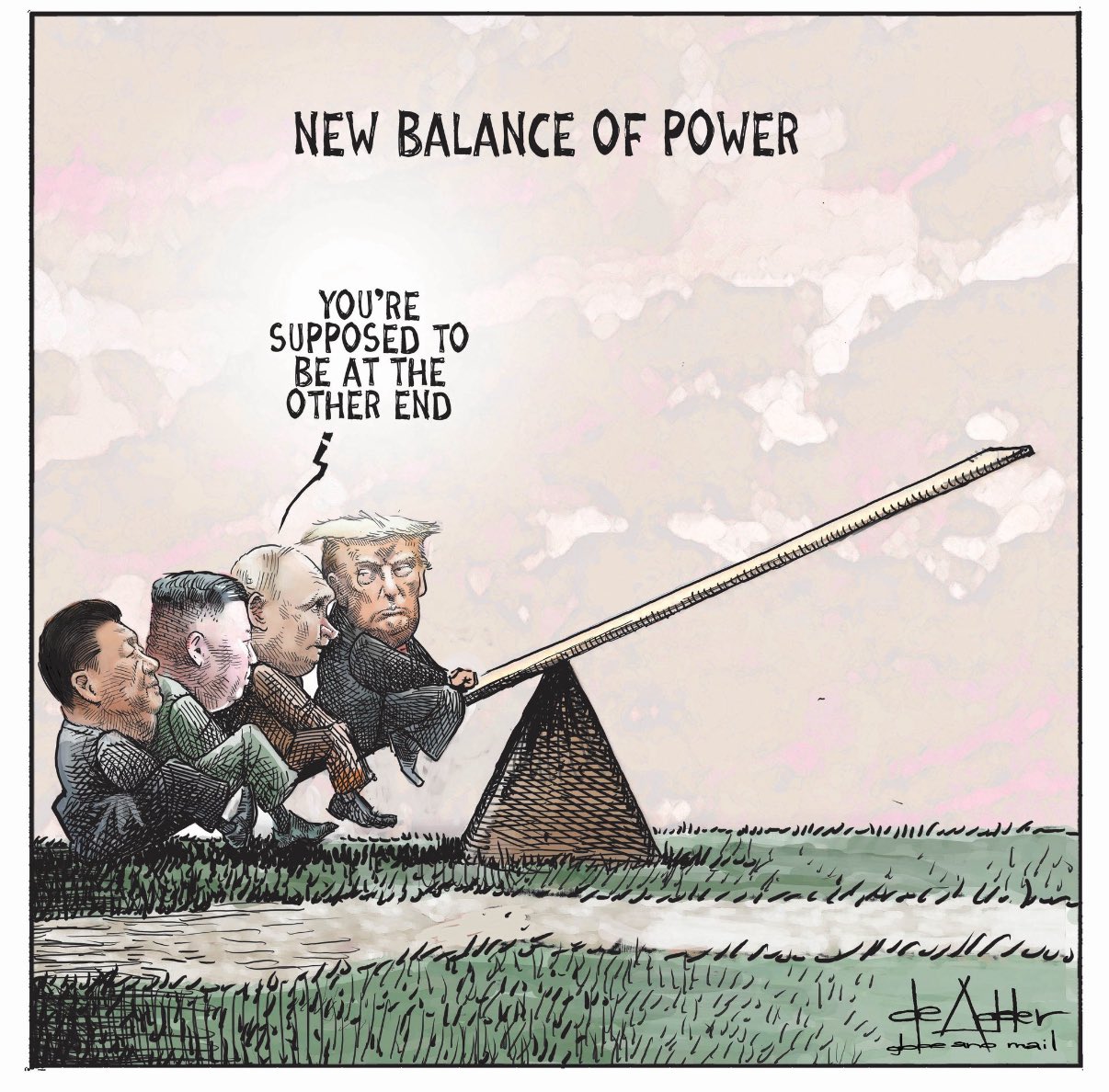
Cartoon by Michael de Adder, winner of the English version of the 2025 Townsie Awards

Le Monde des livres, cahier du Monde du vendredi 2 mai 2025, évoque la première conférence Jon Fosse tenue à Oslo le 24 avril. Jon Fosse a été, en 2023, le quatrième prix Nobel de littérature norvégien et la bibliothèque nationale de Norvège a saisi cette occasion pour créer une grande conférence annuelle sur le principe que, chaque année, un orateur spécialiste de philosophie, de théâtre, de poésie, de musique, etc, choisi par des personnalités scandinaves, discourra de la façon dont il voit la littérature à travers le prisme de sa discipline. L’orateur invité à prononcer la première conférence a été le philosophe français Jean-Luc Marion, penseur catholique et académicien.
Le texte de Jean-Luc Marion est baptisé Création, à comprendre en terme biblique « c’est-à-dire non pas en termes de production, mais en termes de bonté, d’amour, de don ». Marion suggère que les artistes créent « d’abord une façon de voir et d’écouter » et qu’ils posent sur le monde « un regard qui ne possède pas ce qu’il voit comme un objet mais le reçoit comme un don ». Dit autrement, en citant Claudel et Soljenitsyne, « l’artiste ne parvient à son œuvre accomplie qu’en n’inventant rien ».
L’article du Monde des livres indique que cette façon de considérer l’œuvre artistique comme une découverte et non une invention résonne parfaitement avec l’approche du travail d’écriture de Jon Fosse. Lors d’une interview de 2024, il confiait que, pour lui, écrire a toujours signifié « s’asseoir à sa table et écouter ». « C’est étrange, mais j’ai l’impression que ce que j’entends, le texte qui me vient, est déjà écrit […] et que je dois le coucher sur le papier avant qu’il ne disparaisse. »
Lors de son interview à Oslo, Jean-Luc Marion exprime la même idée : « Quand on trouve quelque chose de vrai en philosophie, cela se déploie tout seul. Vous n’avez qu’à suivre… En ce qui me concerne, je peux dire qu’il y a certains chapitres et certaines pages de mes livres qui sont venus sans moi. D’un seul coup, le bon concept ou le bon argument est arrivé et a ouvert une perspective que je n’avais plus qu’à suivre. Je lisais une carte Michelin, mais je ne la traçais pas. ».
On peut voit une forme d’humilité dans cette façon de décrire le processus créatif comme quelque chose qui « se déploie tout seul », comme si l’auteur se contentait de tenir le stylo et de noter ce qui est déjà écrit dans le vent (« the answer is blowin’ in the wind »). Mais nous savons à qui nous avons à faire. Si Fosse et Marion se décrivent comme de simples scribes, la matière « déjà écrite » qu’ils transforment en mots n’est pas abordable par le commun des mortels. Dit autrement, en se référant à Saint-Exupéry, « Une illumination soudaine semble parfois faire bifurquer une destinée. Mais l’illumination n’est que la vision soudaine, par l’Esprit, d’une route lentement préparée. »
À propos d’illumination soudaine capable de « faire bifurquer une destinée », rien n’est plus pur que la façon dont François Cheng évoque Jeanne d’Arc.
Lors d’une émission La grande librairie de 2016, animée par François Bunel et consacrée au « Royaume poétique de François Cheng », François Cheng évoque le livre « Les énigmes de l’histoire de France ». Il cite alors (minutes 11 à 14 de l’émission) la recension par l’auteur du livre de ce que Jeanne d’Arc, interrogée sur les voix qu’elle entendait, a dit textuellement à ses juges :
« Puis vint cette voix,
Environ l’heure de midi,
Au temps de l’été,
Dans le jardin de mon père. »
Comme le dit François Cheng, « C’est un quatrain, qui vient du fond du cœur, mais qui est le résultat de toute une vie. Un quatrain à la fois simple et sublime. On y entend l’une des plus belles voix de France. »
Bien difficile après de telles transcendances de redescendre dans les contingences de l’actualité de notre monde « tel qu’il devient toujours plus idiot ». Peut être garder de Jean-Luc Marion le fait que « quand on trouve quelque chose de vrai, cela se déploie tout seul » – et que ce n’est pas l’apanage de la philosophie, mais s’applique parfaitement aux arts techniques. Probablement, dans cette veine, insister sur le fait que ceux qui peuvent transformer des voix en mots, en lignes de code, en actions… en résumé, « transformer des voix en voies » devraient avoir une place particulière et que, a contrario, les sociétés qui tentent d’imposer des politiques publiques absurdes par des doctrines purement technocratiques sont mécaniquement condamnées à l’errance.
Il est des textes qui restent comme un phare, comme la preuve d’une intelligence, malheureusement souvent négligé, de la complexité d’une situation. Cette « Lettre ouverte au président de la République française » par Dominique Eddé est sans contexte de cette trempe. Publiée le 20 octobre 2023 dans L’Orient – Le Jour, elle n’a pas pris une ride un an plus tard. Le constater peut sembler une marque d’inutilité – puisque c’est signe que rien n’a été fait, c’est surtout fournir un repère moral à ceux qui partagent la conscience que « la planète flirte avec le vide » et cherchent le moyen d’agir.
Monsieur le Président,
C’est d’un lieu ruiné, abusé, manipulé de toutes parts, que je vous adresse cette lettre. Il se pourrait qu’à l’heure actuelle, notre expérience de l’impuissance et de la défaite ne soit pas inutile à ceux qui, comme vous, affrontent des équations explosives et les limites de leur toute puissance.
Je vous écris parce que la France est membre du Conseil de sécurité de l’ONU et que la sécurité du monde est en danger. Je vous écris au nom de la paix.
L’horreur qu’endurent en ce moment les Gazaouis, avec l’aval d’une grande partie du monde, est une abomination. Elle résume la défaite sans nom de notre histoire moderne. La vôtre et la nôtre. Le Liban, l’Irak, la Syrie sont sous terre. La Palestine est déchirée, trouée, déchiquetée selon un plan parfaitement clair : son annexion. Il suffit pour s’en convaincre de regarder les cartes.
Le massacre par le Hamas de centaines de civils israéliens, le 7 octobre dernier, n’est pas un acte de guerre. C’est une ignominie. Il n’est pas de mots pour en dire l’étendue. Si les arabes ou les musulmans tardent, pour nombre d’entre eux, à en dénoncer la barbarie, c’est que leur histoire récente est jonchée de carnages, toutes confessions confondues, et que leur trop plein d’humiliation et d’impotence a fini par épuiser leur réserve d’indignation ; par les enfermer dans le ressentiment. Leur mémoire est hantée par les massacres, longtemps ignorés, commis par des Israéliens sur des civils palestiniens pour s’emparer de leurs terres. Je pense à Deir Yassin en 1948, à Kfar Qassem en 1956. Ils ont par ailleurs la conviction – je la partage – que l’implantation d’Israël dans la région et la brutalité des moyens employés pour assurer sa domination et sa sécurité ont très largement contribué au démembrement, à l’effondrement général. Le colonialisme, la politique de répression violente et le régime d’apartheid de ce pays sont des faits indéniables. S’entêter dans le déni, c’est entretenir le feu dans les cerveaux des uns et le leurre dans les cerveaux des autres. Nous savons tous par ailleurs que l’islamisme incendiaire s’est largement nourri de cette plaie ouverte qui ne s’appelle pas pour rien « la Terre sainte ». Je vous rappelle au passage que le Hezbollah est né au Liban au lendemain de l’occupation israélienne, en 1982, et que les désastreuses guerres du Golfe ont donné un coup d’accélérateur fatal au fanatisme religieux dans la région.
Qu’une bonne partie des Israéliens reste traumatisée par l’abomination de la Shoah et qu’il faille en tenir compte, cela va de soi. Que vous soyez occupé à prévenir les actes antisémites en France, cela aussi est une évidence. Mais que vous en arriviez au point de ne plus rien entendre de ce qui se vit ailleurs et autrement, de nier une souffrance au prétexte d’en soigner une autre, cela ne contribue pas à pacifier. Cela revient à censurer, diviser, boucher l’horizon. Combien de temps encore allez-vous, ainsi que les autorités allemandes, continuer à puiser dans la peur du peuple juif un remède à votre culpabilité ? Elle n’est plus tolérable cette logique qui consiste à s’acquitter d’un passé odieux en en faisant porter le poids à ceux qui n’y sont pour rien. écoutez plutôt les dissidents israéliens qui, eux, entretiennent l’honneur. Ils sont nombreux à vous alerter, depuis Israël et les états-Unis.
Commencez, vous les Européens, par exiger l’arrêt immédiat des bombardements de Gaza. Vous n’affaiblirez pas le Hamas ni ne protégerez les Israéliens en laissant la guerre se poursuivre. Usez de votre voix non pas seulement pour un aménagement de corridors humanitaires dans le sillage de la politique américaine, mais pour un appel à la paix ! La souffrance endurée, une décennie après l’autre, par les Palestiniens n’est plus soutenable. Cessez d’accorder votre blanc-seing à la politique israélienne qui emmène tout le monde dans le mur, ses citoyens inclus. La reconnaissance, par les états-Unis, en 2018, de Jérusalem capitale d’Israël ne vous a pas fait broncher. Ce n’était pas qu’une insulte à l’histoire, c’était une bombe. Votre mission était de défendre le bon sens que prônait Germaine Tillion « Une Jérusalem internationale, ouverte aux trois monothéismes. » Vous avez avalisé, cette même année, l’adoption par la Knesset de la loi fondamentale définissant Israël comme « l’état-Nation du peuple juif ». Avez-vous songé un instant, en vous taisant, aux vingt et un pour cent d’Israéliens non juifs ? L’année suivante, vous avez pour votre part, Monsieur le Président, annoncé que « l’antisionisme est une des formes modernes de l’antisémitisme. » La boucle était bouclée. D’une formule, vous avez mis une croix sur toutes les nuances. Vous avez feint d’ignorer que, d’Isaac Breuer à Albert Einstein, un grand nombre de penseurs juifs étaient antisionistes. Vous avez nié tous ceux d’entre nous qui se battent pour faire reculer l’antisémitisme sans laisser tomber les Palestiniens. Vous passez outre le long chemin que nous avons fait, du côté dit « antisioniste », pour changer de vocabulaire, pour reconnaître Israël, pour vouloir un avenir qui reprenne en compte les belles heures d’un passé partagé. Les flots de haine qui circulent sur les réseaux sociaux, à l’égard des uns comme des autres, n’exigent-ils pas du responsable que vous êtes un surcroît de vigilance dans l’emploi des mots, la construction des phrases ? à propos de paix, Monsieur le Président, l’absence de ce mot dans votre bouche, au lendemain du 7 octobre, nous a sidérés. Que cherchons-nous d’autre qu’elle au moment où la planète flirte avec le vide ?
Les accords d’Abraham ont porté le mépris, l’arrogance capitaliste et la mauvaise foi politique à leur comble. Est-il acceptable de réduire la culture arabe et islamique à des contrats juteux assortis – avec le concours passif de la France – d’accords de paix gérés comme des affaires immobilières ? Le projet sioniste est dans une impasse. Aider les Israéliens à en sortir demande un immense effort d’imagination et d’empathie qui est le contraire de la complaisance aveuglée. Assurer la sécurité du peuple israélien c’est l’aider à penser l’avenir, à l’anticiper, et non pas le fixer une fois pour toutes à l’endroit de votre bonne conscience, l’œil collé au rétroviseur. Ici, au Liban, nous avons échoué à faire en sorte que vivre et vivre ensemble ne soient qu’une et même chose. Par notre faute ? En partie, oui. Mais pas seulement. Loin de là. Ce projet était l’inverse du projet israélien qui n’a cessé de manœuvrer pour le rendre impossible, pour prouver la faillite de la coexistence, pour encourager la fragmentation communautaire, les ghettos. à présent que toute cette partie du monde est au fond du trou, n’est-il pas temps de décider de tout faire autrement ? Seule une réinvention radicale de son histoire peut rétablir de l’horizon.
En attendant, la situation dégénère de jour en jour : il n’y a plus de place pour les postures indignées et les déclarations humanitaires. Nous voulons des actes. Revenez aux règles élémentaires du droit international. Demandez l’application, pour commencer, des résolutions de l’ONU. La mise en demeure des islamistes passe par celle des autorités israéliennes. Cessez de soutenir le nationalisme religieux d’un côté et de le fustiger de l’autre. Combattez les deux. Rompez cette atmosphère malsaine qui donne aux Français de religion musulmane le sentiment d’être en trop s’ils ne sont pas muets.
Écoutez Nelson Mandela, admiré de tous à bon compte : « Nous savons parfaitement que notre liberté est incomplète sans celle des Palestiniens, » disait-il sans détour. Il savait, lui, qu’on ne fabrique que de la haine sur les bases de l’humiliation. On traitait d’animaux les noirs d’Afrique du Sud. Les juifs aussi étaient traités d’animaux par les nazis. Est-il pensable que personne, parmi vous, n’ait publiquement dénoncé l’emploi de ce mot par un ministre israélien au sujet du peuple palestinien ? N’est-il pas temps d’aider les mémoires à communiquer, de les entendre, de chercher à comprendre là où ça coince, là où ça fait mal, plutôt que de céder aux affects primaires et de renforcer les verrous ? Et si la douleur immense qu’éprouve chaque habitant de cette région pouvait être le déclic d’un début de volonté commune de tout faire autrement ? Et si l’on comprenait soudain, à force d’épuisement, qu’il suffit d’un rien pour faire la paix, tout comme il suffit d’un rien pour déclencher la guerre ? Ce « rien » nécessaire à la paix, êtes-vous sûrs d’en avoir fait le tour ? Je connais beaucoup d’Israéliens qui rêvent, comme moi, d’un mouvement de reconnaissance, d’un retour à la raison, d’une vie commune. Nous ne sommes qu’une minorité ? Quelle était la proportion des résistants français lors de l’occupation ? N’enterrez pas ce mouvement. Encouragez-le. Ne cédez pas à la fusion morbide de la phobie et de la peur. Ce n’est plus seulement de la liberté de tous qu’il s’agit désormais. C’est d’un minimum d’équilibre et de clarté politique en dehors desquels c’est la sécurité mondiale qui risque d’être dynamitée.
Par Dominique EDDÉ. écrivaine.
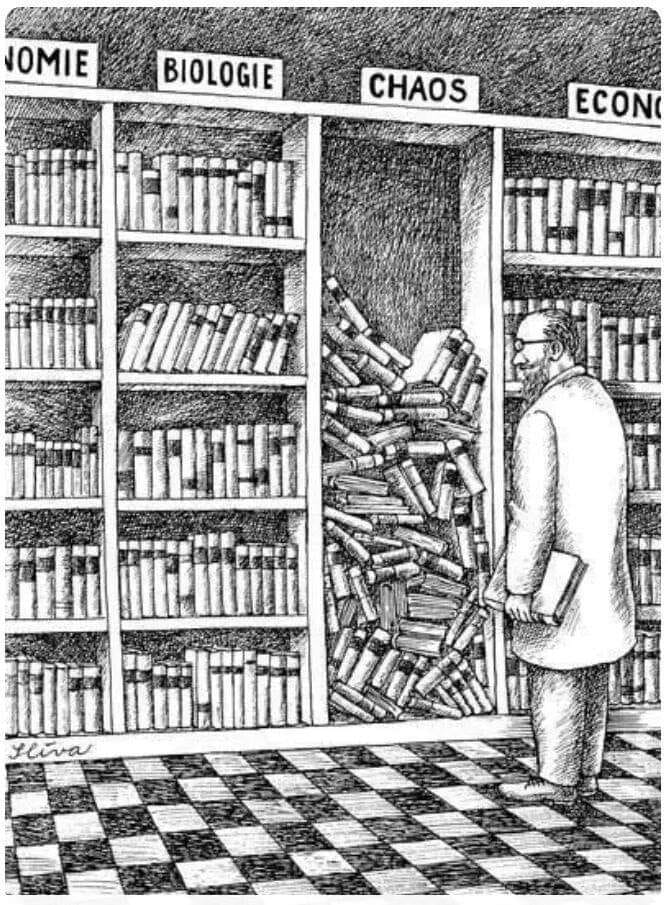
Si vous passez par Portbail, dans le Cotentin, allez voir le travail de Martin Andrieux à la galerie des Arches.


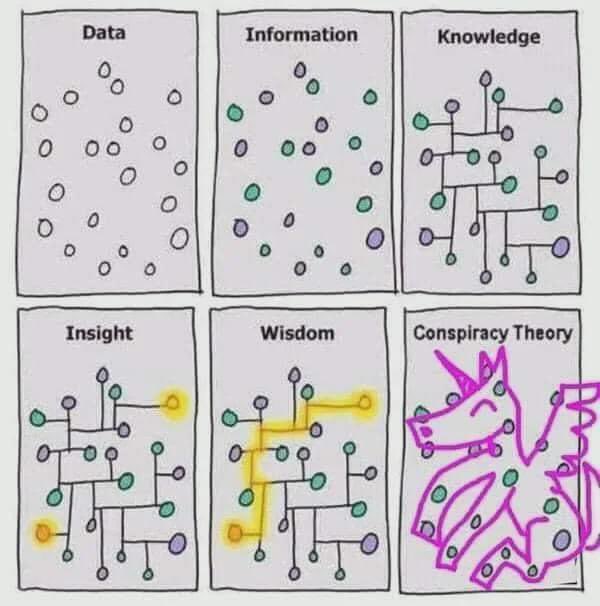
Great cartoon by Forrest Brazeal (@forrestbrazeal).
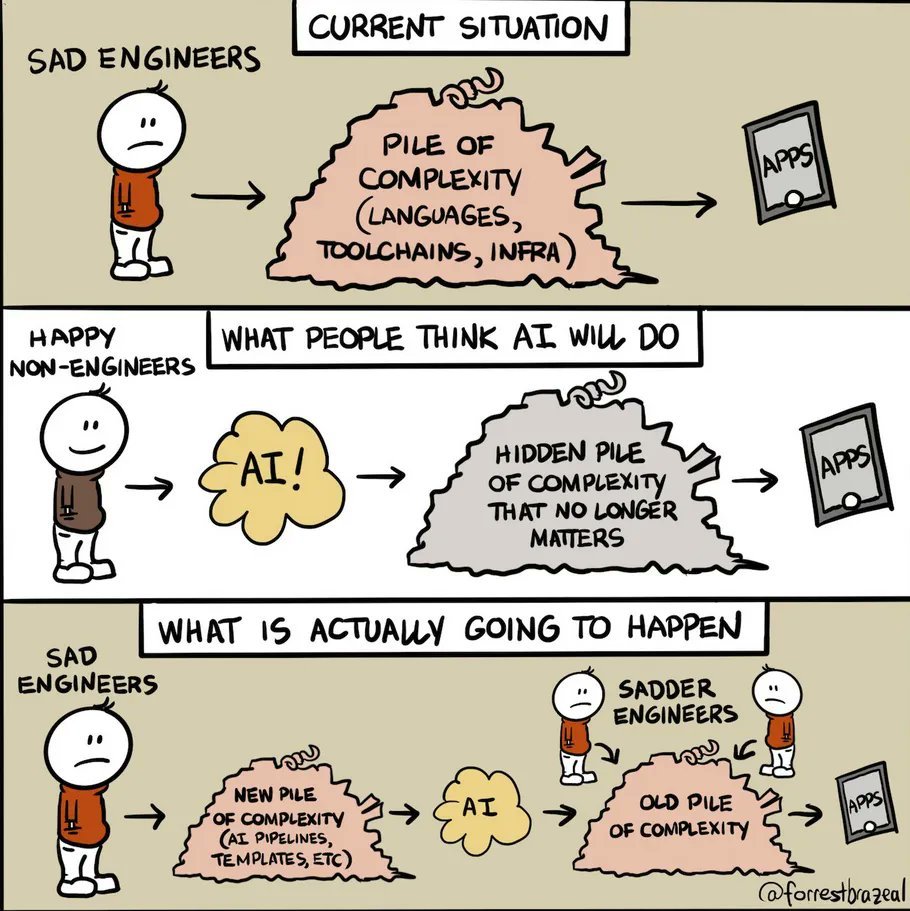
As a bonus, the post of the day from François Chollet (@fchollet).
My view of the capabilities of LLMs is probably far below that of the median tech industry person. And yet, the more time passes the more I realize my 2023 views were actually overestimating their future potential and current usefulness.
Parallel to self-driving: circa 2016-2017…
— François Chollet (@fchollet) March 1, 2024
My view of the capabilities of LLMs is probably far below that of the median tech industry person. And yet, the more time passes the more I realize my 2023 views were actually overestimating their future potential and current usefulness.
Parallel to self-driving: circa 2016-2017 my view on the timeline for full-scale self-driving deployment was much more pessimistic than most people in the industry — I was envisioning ~2023, when everyone else targeted 2020 or earlier. And yet, as time passed I started realizing that I was being grossly overoptimistic.
Of course factualism doesn’t sell — if I wanted to be more of an AI influencer I would have to be constantly tweeting about how AI is going to replace all programmers and doctors and so on in less than a year. That sounds exciting and positive, and it gets great engagement!
Instead, I’m giving the impression of being an AI pessimist — despite having being extra-bullish on deep learning and AI for over 10 years straight.
I have been a huge believer in AI’s potential for a long time. Still am today. But I’m allergic to mindless hype.
Jen-Hsun Huang: Stanford student and Entrepreneur, co-founder and CEO of NVIDIA
Great sequence about failure, innovation and "intellectual honesty" to guide the process.
Yet another insightful tweet by François Chollet (@fchollet):
People seem to be falling for two rather thoughtless extremes:
1. "LLMs are AGI, they work like the human brain, they can reason, etc."
2. "LLMs are dumb and useless."Reality is that LLMs are not AGI — they're a big curve fit to a very large dataset. They work via…
— François Chollet (@fchollet) February 9, 2024
People seem to be falling for two rather thoughtless extremes:
Reality is that LLMs are not AGI — they’re a big curve fit to a very large dataset. They work via memorization and interpolation. But that interpolative curve can be tremendously useful, if you want to automate a known task that’s a match for its training data distribution.
Memorization works, as long as you don’t need to adapt to novelty. You don’t *need* intelligence to achieve usefulness across a set of known, fixed scenarios.
In fact, that’s the entire story of the field of AI so far: achieve increasing levels of usefulness and automation, while bypassing the problem of creating intelligence.
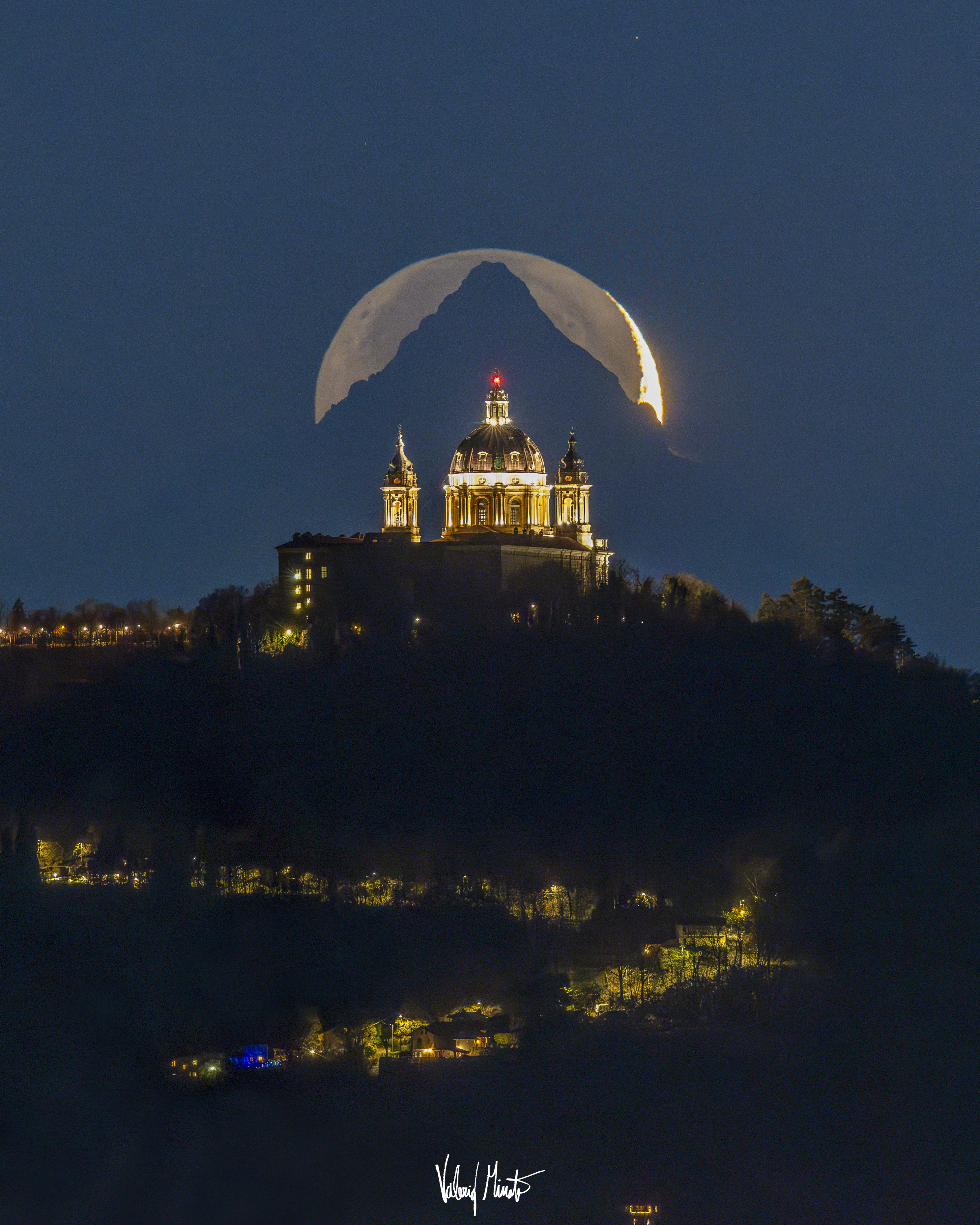
Photographer Valerio Minato shot this amazing triple-alignment involving the Basilica of Superga, the Monviso and the moon.
I think there are broadly three categories of problem solving patterns — recitation, intuition, and reasoning.
Recitation: you simply recognize a known problem and apply the steps you've learned. Like playing a chess opening.
Intuition: in the face of a novel situation, you…
— François Chollet (@fchollet) October 31, 2023
I think there are broadly three categories of problem solving patterns — recitation, intuition, and reasoning.
Recitation: you simply recognize a known problem and apply the steps you’ve learned. Like playing a chess opening.
Intuition: in the face of a novel situation, you (mostly subconsciously) pattern-match it to what you’ve encountered before and you “just know” what to do (sometimes without really understanding why). Could be done completely in autopilot — no awareness required. Like a very experienced chess player seeing the best move in <1s.
Reasoning: you consciously and deliberately analyze a novel situation, using a combination of abstract principles and step-by-step simulation. Like analyzing a chess position and simulating in your mind possible future trajectories.
Deep Learning (DL) models do chiefly 2, with some 1 in the mix. Some rare AI systems attempt to do 3.
Humans do a combination of 2 and 3, for the most part (recitation is a thing but is les common). By "volume", most cognition is intuition, but reasoning accounts for the most critical bits.
The term "combination" here is important. Pretty much every conscious human thought is a mix of both intuition and reasoning. There is hardly anything that is pure reasoning or pure intuition (though unconscious processing is in fact pure intuition).
The fact that you do not have to consciously think about grammar and wording when speaking in your native language (though you have to consciously follow the thread of what you
mean) was always evidence that natural language fluency could be handled by intuitive systems (DL).
Meanwhile, making sense (other than via recitation or accident) does require reasoning. Sense and fluency are distinct — obviously.
Encore une superbe photographie d’Adrien le Moigne (@Adilemoigne)

A team is not a group of people who work together.
A team is a group of people who trust each other.
This sentence raises the bar to building the team to a personal health project.
It is not about finding the right specialists to address specific health issues, but to find a group of people who are able to trust each other on the global project’s scope.
Adrien le Moigne (@Adilemoigne) prépare une série photographique sur le Mont Saint-Michel. C’est très prometteur !






Crédit vidéo : PolaRYSE / FFVoile

Picture from NISTIR 8202 — Blockchain Technology Overview).
Les patients qui étaient vus toutes les années pour rien par le confrère parti à la retraite ont du mal à décrocher. Malgré mes explications, ils continuent à prendre rendez-vous « pour un contrôle ».
Évidement, à côté, je refuse des patients qui voudraient me voir parce (1/2)— Jean-Marie Vailloud (@grangeblanche) November 26, 2022
Les patients qui étaient vus toutes les années pour rien par le confrère parti à la retraite ont du mal à décrocher. Malgré mes explications, ils continuent à prendre rendez-vous « pour un contrôle ».
Évidement, à côté, je refuse des patients qui voudraient me voir parce que ça ne va pas. 🤬🤬🤬
En fait, c’était Knock, mais en vrai.
Je l’ai déjà dit, mais un jour, j’ai compris un truc fondamental du métier de cardiologue. Ça a fait un déclic, et ma vision du métier a changé.
On nous voit comme arrogants, faisant une spécialité complexe et effrayante, et très techniciens.
Il y a du vrai (pour l’arrogance, notamment). Mais la vérité fondamentale de notre spé est ailleurs.
Nous sommes les doudous des autres médecins et des patients. Comme les doudous, nous rassurons bien plus que nous protégeons contre les dangers.
Objectivement, je passe mes journées à rassurer des confrères (simplement hier: DDimeres à 6 chez une dame de 96 ans, pas dyspnéique), ou les patients.
Pour ces derniers, je passe les journées à confirmer à des adultes qui font n’importe quoi (tabac, alcool, gras, sel, sédentarité marmoréenne, cocaine, cannabis) que ce n’est pas bon pour leur santé.
Et finalement mon intervention change vraiment la vie de très peu de patients, peut-être 1/10.
Mon métier, en vrai, c’est doudou.
Le confrère qui est parti et sur lequel je peste depuis des mois est en fait bien plus intelligent que moi.
Il a compris ça bien avant moi, et il a décidé d’en faire son métier.
Il voyait bien 80-85% de gens qui n’avaient rien toutes les années. Ça les rassurait et ça rassurait leur MG, tout le monde était content. C’était un très bon doudou.
Moi, je suis un mauvais doudou. J’aimerais bien soigner objectivement les patients. Mais c’est compliqué.
